【记者】在你眼里,模拟联合国和普通课堂讨论最大的区别是什么?参与模联对你看待国际事务带来了哪些改变?
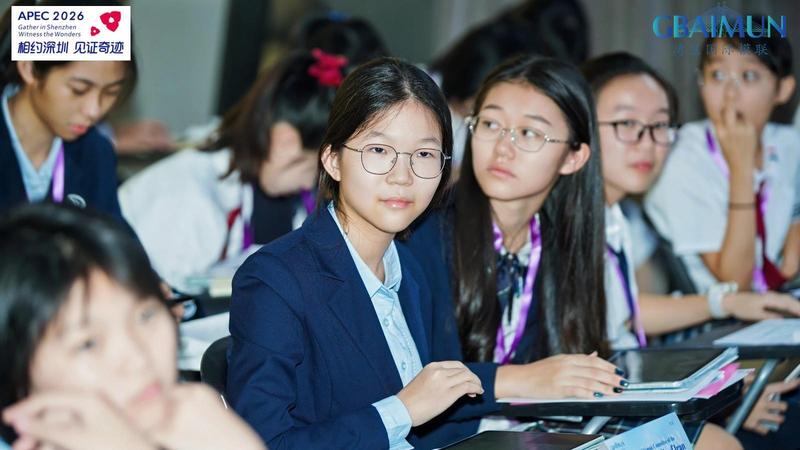
From my perspective, regular classroom discussions feel a bit like "brainstorming" sessions, where we come together as students to work toward the right answer or share our own opinions. The key difference with Model United Nations, however, is the shift in perspective. In MUN, I'm no longer just speaking for myself-I'm representing an entire country. I have to dress formally and think, debate, lobby, and compromise the way a real diplomat would.
This change in perspective has completely reshaped how I see international affairs. I used to watch the news and think in fairly simple terms of right and wrong. But after taking part in MUN, I've come to realize that global issues are rarely black and white. Behind every decision a country makes, there's a complex mix of history, geography, and national interests. MUN has helped me develop a more balanced and open-minded view of the world, and it's given real meaning to the idea of "seeking common ground while respecting differences"on the global stage.
【记者】今年是APEC中国年,结合学习经历,说一说你对APEC 与模联相关知识的了解和期待。
Through my geography classes and the knowledge I've built from Model United Nations, I understand that APEC (Asia-Pacific Economic Cooperation) is quite different from the United Nations. While the UN focuses on global politics and security, APEC places its emphasis on the Asia-Pacific region, with economic cooperation, free trade, and connectivity at its core. As a Chinese middle-school school student, I feel a strong sense of pride that this year marks the APEC China Year.
Building on my MUN experience, I have come to see that international cooperation is increasingly intertwined with economic development and inclusive growth. Looking ahead to APEC China Year, I'm eager to see China contribute its "Chinese wisdom" to the Asia-Pacific region in cutting-edge areassuch as digital transformation and green, low-carbon development. At the same time, I look forward to exploring more topics related to regional economic cooperation in future MUN conferences, where I can work with my peers to simulate and analyze how win-win outcomes and sustainable development can be achieved in an increasingly complex global economy.